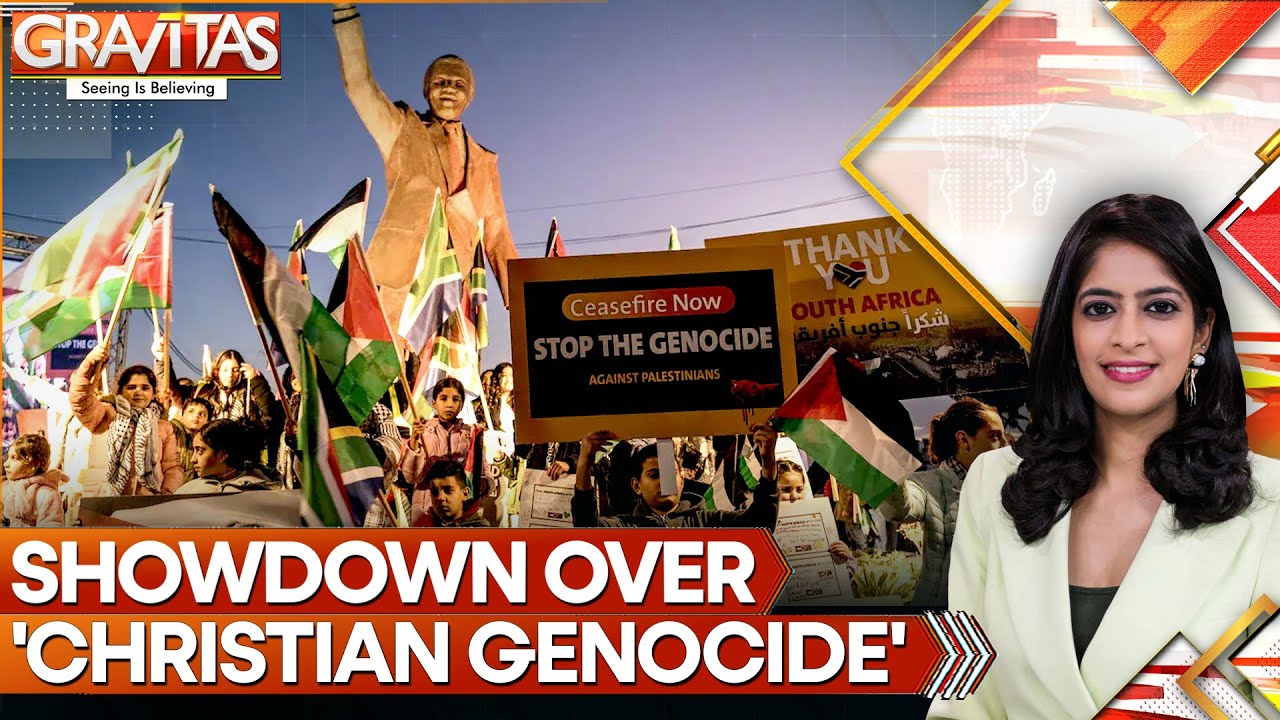
In 2025, while acts of violence against Christians continue to rise worldwide, an equally troubling phenomenon has emerged — the near silence of global media. From burned churches and mob attacks to discriminatory laws and public hostility, thousands of incidents go largely unreported or are briefly mentioned before being buried under the next news cycle. This silence has not only distorted public understanding but has also allowed persecution to grow unchecked.
The question now facing the global community is simple yet profound: Why is the suffering of millions of Christians being ignored, and what does that silence reveal about our world today?
? A Widespread Yet Underreported Crisis
Data from global watchdogs shows that Christianity remains the most persecuted religion on Earth, with more than 360 million Christians living in countries where they face high levels of persecution. Reports indicate that in many regions, attacks against churches, kidnappings, forced conversions, and killings have dramatically increased.
However, these events often fail to make international headlines. While mainstream outlets extensively cover certain forms of religious persecution, violence against Christians is either portrayed as “local conflict” or omitted altogether. This imbalance in coverage creates a dangerous illusion — that Christian persecution is rare or exaggerated.
In places like Nigeria, hundreds of Christians have been killed by extremist groups this year alone. Churches are bombed, priests are kidnapped, and entire villages are displaced. Yet, these tragedies barely receive a fraction of the coverage that other global crises do. Similarly, in India, rising mob attacks and anti-conversion laws have targeted pastors and small congregations — still, much of the world remains unaware.
This pattern extends across Pakistan, China, North Korea, and parts of the Middle East, where Christians face imprisonment, censorship, and even execution for their faith. Despite clear documentation, these stories are often sidelined, depriving victims of international solidarity.
?️♂️ Why Is the Media Silent?
There are multiple reasons behind the global media’s silence on crimes against Christians — many of them deeply rooted in political, cultural, and ideological biases.
Selective Outrage and Political Narratives
The global news agenda often follows political trends rather than moral consistency. Persecution of Christians, especially when occurring in politically sensitive nations, is downplayed to avoid diplomatic friction. In some Western newsrooms, highlighting Christian suffering is viewed as politically inconvenient or ideologically “outdated.”Fear of Backlash and Accusations of Bias
Journalists and editors often fear that covering anti-Christian violence might be perceived as favoring a specific religion. The result is self-censorship — where reporters avoid stories that could provoke controversy or accusations of “religious bias.”Desensitization and Media Fatigue
With constant global crises dominating headlines, audiences are becoming desensitized to violence. Unless an incident involves large-scale casualties or dramatic visuals, many editors assume it won’t attract clicks. The slow, persistent persecution of Christians often lacks “breaking news” appeal, making it easier to ignore.Control and Censorship in Authoritarian Regimes
In countries like China and North Korea, state censorship prevents journalists from accessing or reporting on religious repression. Independent reporting is nearly impossible, and local journalists risk imprisonment for revealing the truth.Cultural Bias Against Christianity in the West
A growing secular culture in the West often portrays Christianity as a “majority” faith not deserving of victimhood status. This misconception blinds many to the reality that, in several regions, Christians are an oppressed minority struggling for survival.
⚔️ The Consequences of Silence
Media silence is not neutral — it’s dangerous. When crimes go unreported, they are effectively permitted to continue. Lack of visibility leads to lack of accountability, emboldening perpetrators who know the world isn’t watching.
This silence also weakens international response mechanisms. Governments and humanitarian agencies rely on public attention to drive funding, diplomatic pressure, and protective measures. When stories of Christian persecution remain hidden, global intervention becomes minimal or nonexistent.
Moreover, silence breeds misinformation. Without balanced reporting, stereotypes flourish — portraying Christians as aggressors rather than victims, particularly in regions where propaganda dominates public discourse. This distortion fuels further hostility and discrimination, deepening divisions between communities.
? Stories That Deserve to Be Heard
Behind every headline ignored, there are human stories crying out for recognition:
In Pakistan, young Christian women are abducted and forced into marriage, with little legal recourse.
In Nigeria, pastors are killed for refusing to renounce their faith, while congregations worship under threat of attack.
In China, underground church leaders are detained and interrogated for conducting Bible studies.
In Egypt, Christian families face mob violence for building places of worship, often without police protection.
These are not isolated events — they are ongoing realities shaping the lives of millions of believers. Each act of violence silenced by the media leaves another wound on the body of the global Church.
? Why the World Must Pay Attention
True journalism is about giving a voice to the voiceless. When the media fails to cover crimes against Christians, it fails one of its most sacred duties — to tell the truth.
Global awareness can change outcomes. In the past, sustained media attention has pressured governments to release prisoners of conscience, stop discriminatory laws, and provide emergency aid to threatened communities. Coverage can also inspire ordinary citizens to support human rights initiatives, contribute to aid organizations, and advocate for religious freedom.
Silence, on the other hand, allows persecution to spread unchecked. Every time a church burns without coverage, every time a pastor is arrested without mention, the world becomes complicit through indifference.
✝️ Restoring Truth and Justice
Breaking the silence requires collaboration between journalists, faith leaders, and ordinary citizens.
Media Organizations must re-evaluate their editorial priorities and report all religious persecution with equal weight, regardless of faith identity.
Faith Communities should invest in communication networks to share verified data and eyewitness accounts, ensuring stories reach the global stage.
Readers and Viewers must demand balanced coverage — sharing reports, supporting ethical journalism, and challenging biased narratives.
Justice begins with awareness. By shining light on hidden suffering, society reaffirms its commitment to human rights and compassion — principles rooted deeply in Christian teaching.
? A Call to Conscience
The persecution of Christians is not a remote issue; it’s a moral test for humanity. Every act of violence ignored, every silenced voice, challenges our collective sense of justice.
As Christians continue to face imprisonment, violence, and discrimination, the world must remember that freedom of religion is not a privilege — it’s a fundamental right. Journalists, policymakers, and citizens must stand together to ensure that no faith community suffers in silence.
The Gospel reminds us that “the truth will set you free.” But truth must first be told. The time for silence has passed — the world must finally start listening.