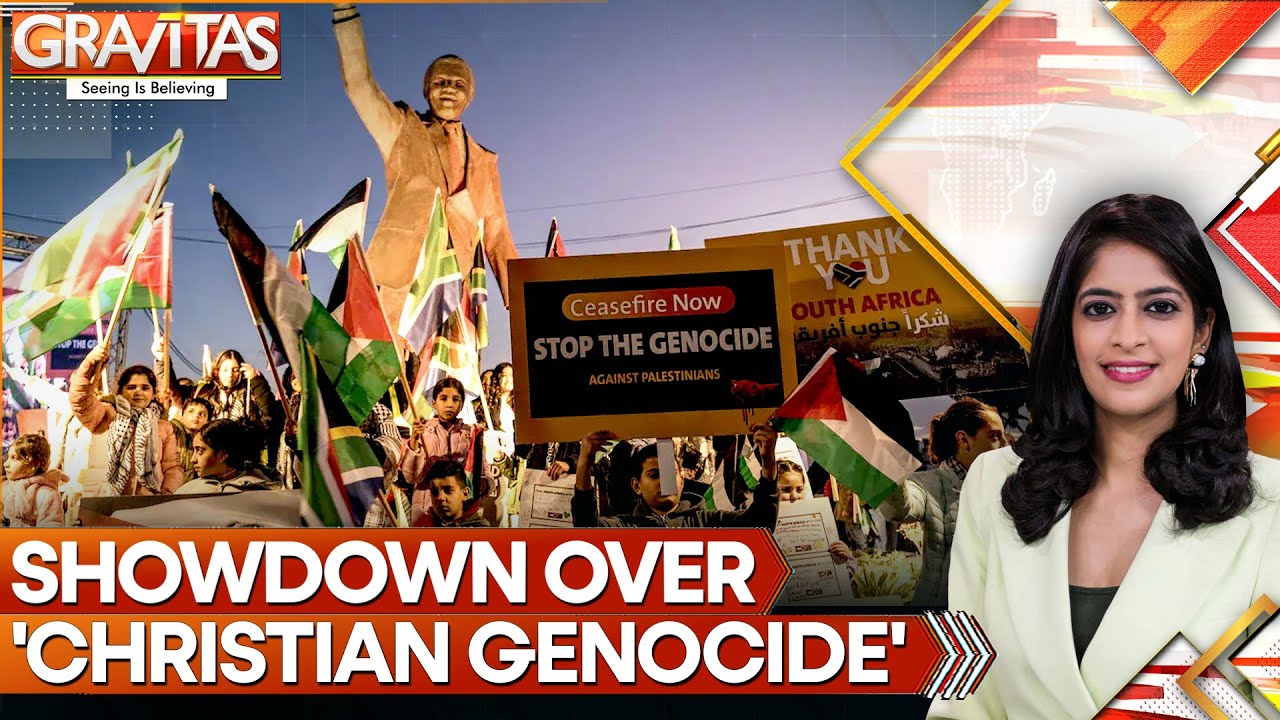
In 2025, reports from international watchdogs and human rights organizations reveal an unsettling truth — Christian persecution is rising across the world, from subtle discrimination to brutal violence. Once considered isolated incidents, attacks against faith-based communities have now become a global concern. Whether through government restrictions, extremist violence, or societal hostility, millions of Christians are facing growing threats to their right to worship freely.
? A Global Overview: Christianity Under Pressure
According to recent surveys and monitoring data, over 360 million Christians are living in countries where they experience high levels of persecution or discrimination. This means that one in seven Christians globally faces some form of opposition simply because of their faith.
The regions most affected include North Korea, Afghanistan, Nigeria, India, Pakistan, China, and parts of the Middle East. In some areas, entire church communities have been driven underground; in others, believers risk imprisonment or even death for publicly declaring their faith.
In countries like Nigeria, thousands of Christians have been killed or displaced by extremist groups targeting churches and villages. In China, authorities continue to monitor online worship services, tear down crosses, and restrict Christian gatherings. Meanwhile, Middle Eastern Christians continue to flee ancestral homes due to ongoing religious conflicts and extremist ideology.
These global patterns point to a worrying reality: Christian persecution is no longer limited to conflict zones — it’s spreading across societies, politics, and digital spaces.
⚔️ Forms of Modern Persecution
Persecution today takes many forms — some visible, others more insidious. While violent attacks and church bombings make headlines, everyday oppression often goes unnoticed.
Legal Restrictions and State Surveillance:
In several nations, Christianity is restricted through anti-conversion laws, mandatory registration, and the censorship of religious content. Church leaders in some countries report surveillance cameras installed near church doors to monitor who attends services.Social Discrimination:
Christians in certain workplaces or universities face bias, ridicule, or exclusion. Social ostracism can pressure young Christians to hide their faith, especially in nations where religious identity is politicized.Extremist Violence:
Terrorist groups continue to target Christian gatherings, especially in Africa and the Middle East. From the 2019 Sri Lanka Easter bombings to ongoing church attacks in Nigeria and Pakistan, these acts have left entire communities traumatized.Digital and Cultural Suppression:
Online censorship of Christian content, misinformation campaigns, and the mockery of religious figures on social media platforms contribute to the growing hostility toward faith-based expression.
? Key Hotspots: Where Faith Is Tested the Most
North Korea: Christianity is seen as a direct threat to state ideology. Believers risk torture or death if discovered worshipping privately.
Nigeria: Extremist groups like Boko Haram and ISIS-affiliated militias continue to burn churches and kidnap worshippers, making Nigeria one of the deadliest places for Christians.
China: The government’s campaign to “Sinicize religion” has led to the demolition of crosses, imprisonment of pastors, and heavy surveillance of house churches.
India: Rising nationalism and anti-conversion sentiments have caused a surge in mob attacks and false accusations against Christians.
Pakistan: Blasphemy laws continue to endanger minority Christians, with several false cases leading to imprisonment or lynching.
Middle East: Once home to thriving Christian populations, countries like Iraq and Syria have witnessed a massive exodus of Christians due to war and extremism.
These nations reflect a disturbing global reality — Christians remain one of the most persecuted religious groups in the world.
? Why Is Christian Persecution Increasing?
The roots of anti-Christian sentiment vary by region, but several global trends are accelerating the problem:
Political Nationalism:
In many countries, religion and politics are merging. When national identity becomes tied to one faith or ideology, Christians and other minorities become “outsiders.”Religious Extremism:
Radical groups often view Christianity as a Western import or threat. This has fueled targeted violence, especially in Africa and the Middle East.Authoritarianism and Control:
Governments with authoritarian tendencies often fear large, organized religious groups. Churches are seen as potential centers of independent thought — leading to crackdowns and censorship.Cultural Secularization:
In Western societies, the rise of aggressive secularism has created a different challenge: the marginalization of Christian voices in media, education, and politics. While less violent, it still erodes religious freedom.Misinformation and Propaganda:
False narratives — portraying Christians as oppressors or outsiders — are spreading rapidly online, often manipulated by political or extremist interests.
✝️ Stories of Courage Amid Persecution
Amid the pain, there are stories of extraordinary faith. In Nigeria, believers gather under open skies after their churches were destroyed, continuing to sing hymns of hope. In China, small “house churches” meet secretly in apartments, praying by candlelight to avoid detection. In the Middle East, Christian aid workers rebuild homes for both Muslims and Christians, living out the Gospel’s call to love one’s neighbor.
These acts of resilience show that while persecution can silence buildings, it cannot silence belief. Christianity has always thrived under pressure — and 2025 is no different.
?️ The Role of the Global Church
The global Christian community is beginning to respond more urgently. Churches, NGOs, and advocacy groups are documenting violations, offering refuge to displaced families, and lobbying for international attention. Organizations like Open Doors and Aid to the Church in Need are raising awareness and providing humanitarian support where governments fail.
Technology, too, is being used for good — online prayer chains, encrypted Bible study groups, and social media campaigns are helping believers connect across borders.
But more is needed. Governments must treat attacks on Christians as human rights violations, not isolated incidents. International media must cover these issues with fairness and visibility, and ordinary citizens can play a part by raising awareness and supporting relief efforts.
? Faith Beyond Fear: A Call to Hope
Despite centuries of persecution, the message of Christ remains unshaken — love your enemies, pray for those who persecute you, and stand firm in faith. The endurance of Christians across hostile regions proves one thing: faith may be targeted, but it cannot be destroyed.
As the world grapples with divisions and intolerance, the Christian response continues to be one of forgiveness, compassion, and peace. The future of faith-based communities depends not only on protection but on courage — the courage to believe, to speak, and to serve, even in the face of adversity.